HDRI Lighting in Blender: A Practical Product Render Workflow
Set up HDRI lighting in Blender, rotate the environment, balance exposure, and check PBR materials with a practical workflow for clearer product renders.
Read article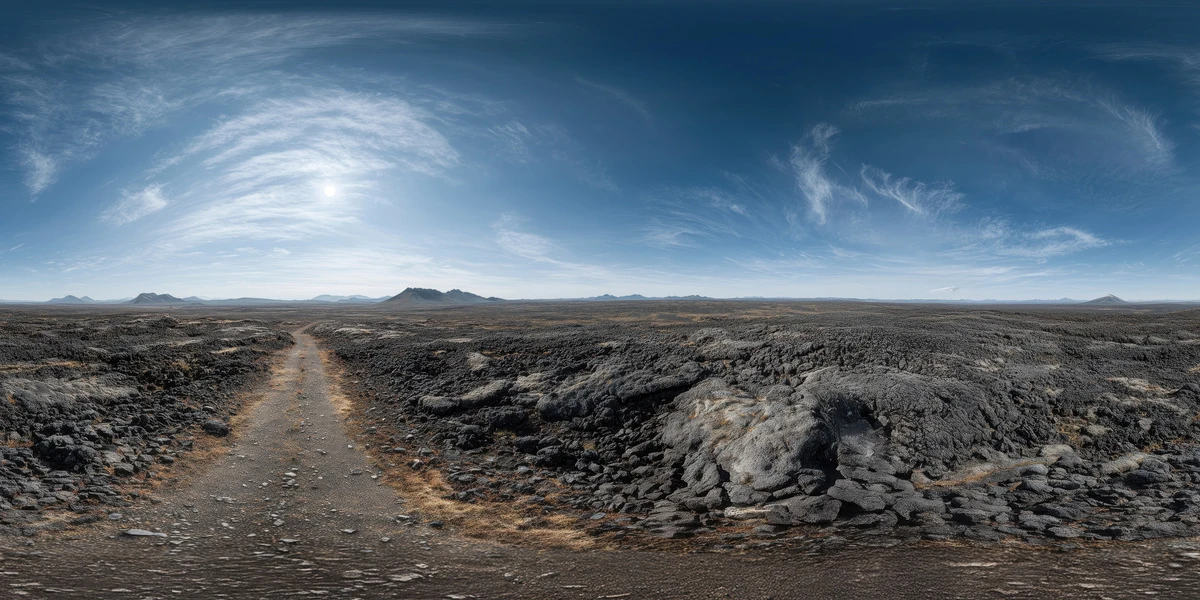
Open the image to explore the details.
Explore a volcanic trail HDRI with dark lava rocks, open sky and bright sun. Choose 12K to 2K unclipped maps for rugged props and landscape lighting studies.
See current pricing, available files and license details on the marketplace.
A narrow pale trail crosses rough dark volcanic terrain, with low distant ridges and thin cloud streaks beneath a bright sky.
Try it for rugged equipment or survival-scene props where dark surroundings help separate bright highlights from the lower hemisphere.
Do not assume dark rocks require a darker material on your model. Compare the subject under another environment before altering its textures to compensate for the lighting.
The Superhive product description lists a 360° unclipped 32-bit HDR environment in 12K, 8K, 4K and 2K resolutions. Use the downloaded environment map for lighting; the image above is a web preview, not HDR lighting data.
Choose a resolution for the detail that will actually appear in your final reflections or background. The unclipped specification describes the listed product; it does not prescribe an exposure value for every scene.
Learn how to choose an outdoor HDRI by its light and reflections. Start with a fixed camera and a simple subject, test environment rotation, then adjust intensity separately. The Blender HDRI setup workflow explains the World lighting setup.
Compare this scene with Snowy Mountain Summit HDRI to see how a different horizon and surrounding surfaces change the same object. Browse the HDRI collection for more environments and combine the lighting and scene filters.
AI-Assisted, Human-Refined. The creator describes AI-assisted generation followed by manual refinement. Use these environments primarily for illumination and reflections, and inspect landscape details before relying on a large visible backdrop.
Try Rocky Desert Sunlight HDRI to compare pale sandy surroundings with dark volcanic ground under direct sun. Keep exposure and the subject material fixed when comparing the two environments.
For another lighting study, use Saguaro Forest Dusk HDRI to compare upright cactus silhouettes and warm sand with darker, mostly bare volcanic surroundings.
For another lighting study, use Desert Plateau Cacti HDRI to compare a cactus-covered plateau with darker volcanic terrain and sparse vegetation.
For another lighting study, use Martian Desert HDRI to compare a fictional red desert with a darker volcanic landscape and earthy reflections.
Set up HDRI lighting in Blender, rotate the environment, balance exposure, and check PBR materials with a practical workflow for clearer product renders.
Read articleChoose an outdoor HDRI by sun direction, cloud coverage and reflected surroundings. Compare winter, rural and sunset lighting in a controlled Blender scene.
Read articleYou can model a clean asset, unwrap it properly, bake a solid normal map, and still end up with a material that feels wrong.
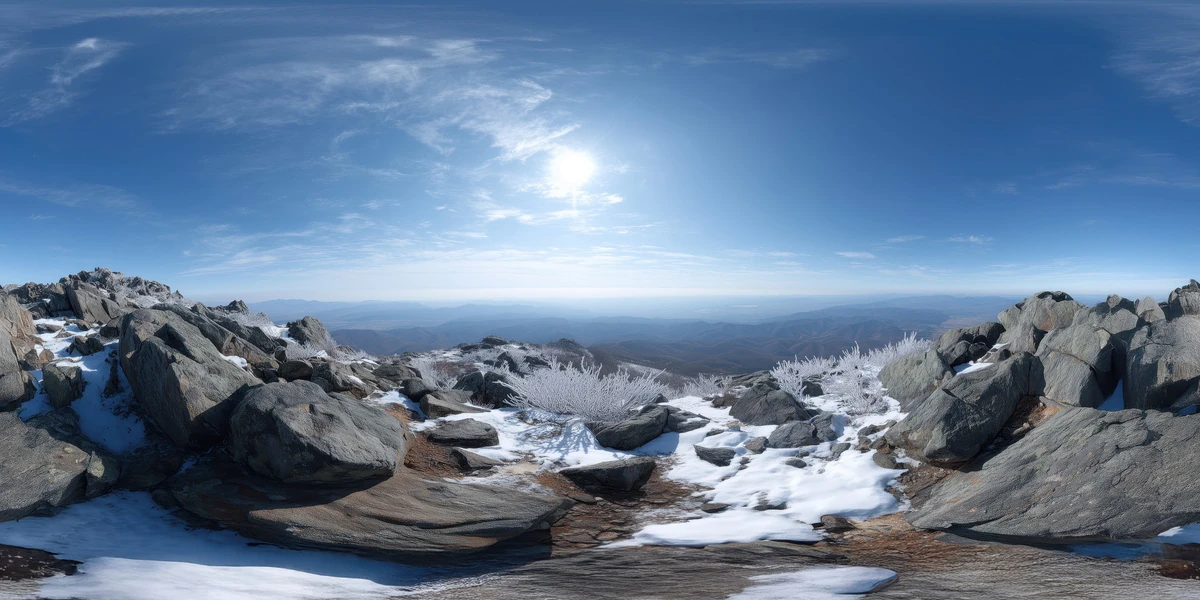
Read articleExplore a snowy mountain summit HDRI with rugged foreground rocks and distant peaks. Compare 12K to 2K options for outdoor product lighting and reflections.
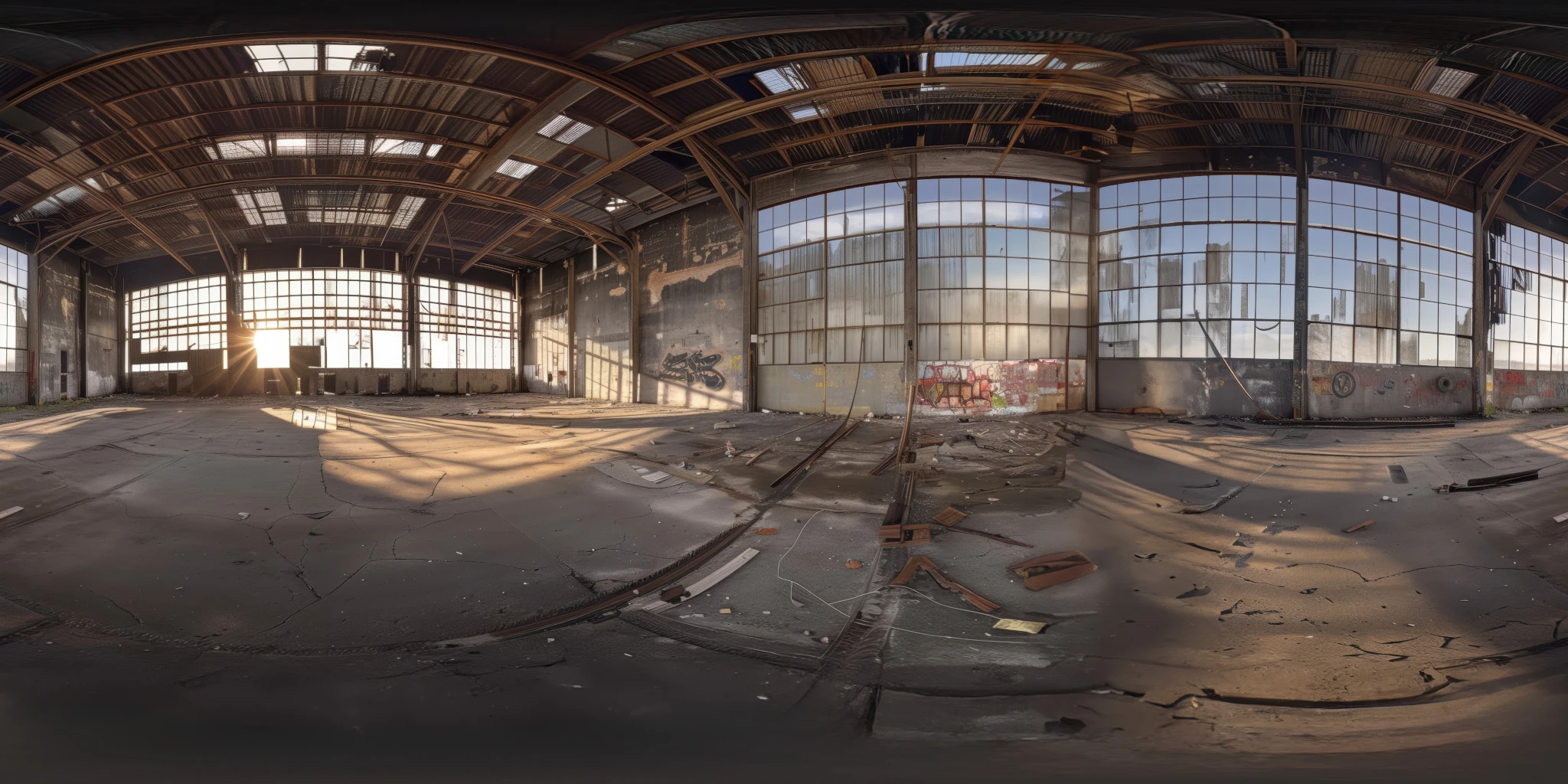
View assetExplore an abandoned warehouse HDRI with window light, roof trusses and worn concrete. Choose 12K to 2K unclipped maps for industrial props and reflections.
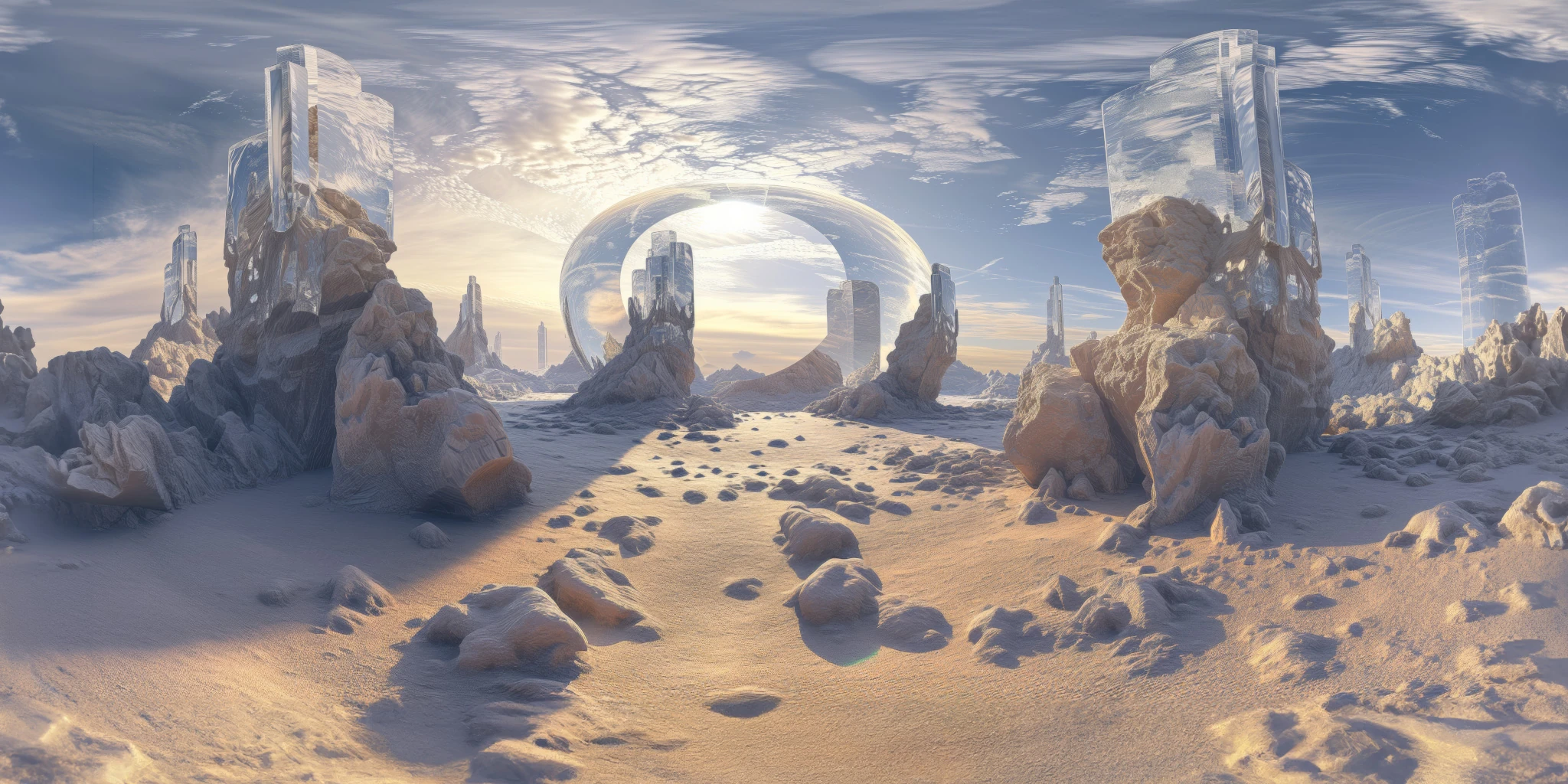
View assetExplore a crystal valley HDRI with pale formations, sandy terrain and a monumental arch. Choose 12K to 2K maps for bright sci-fi lighting and reflections.
View asset